
Complete Property Inspection Guide for Canadians

Buying or selling a home is a big step. You want to be sure the property is in good shape before making any decisions. That’s why a thorough property inspection is essential. It helps you spot issues early and avoid costly surprises. I’ve put together a clear, practical guide to help you navigate the process with confidence.
Your Property Inspection Guide: What to Expect
A property inspection covers many parts of a home. It looks at the structure, systems, and safety features. Knowing what to check can save you time and money. Here’s a simple breakdown of the key areas you should focus on:
Foundation and Structure: Look for cracks, uneven floors, or signs of water damage.
Roof and Gutters: Check for missing shingles, leaks, or clogged gutters.
Plumbing: Test faucets, drains, and water pressure. Look for leaks or corrosion.
Electrical System: Ensure outlets work and wiring is safe.
Heating and Cooling: Confirm the HVAC system runs smoothly.
Interior and Exterior Walls: Watch for cracks, mold, or peeling paint.
Windows and Doors: Check seals, locks, and ease of opening.
Basement and Crawl Spaces: Look for dampness or mold.
Safety Features: Smoke detectors, carbon monoxide alarms, and fire exits.
Taking the time to inspect these areas will give you a clear picture of the home’s condition. If you’re unsure about anything, consider hiring a professional inspector.
How to Use This Property Inspection Guide Effectively
Start by walking through the home with a checklist in hand. Take notes and photos of any concerns. Don’t rush. Spend time in each room and outside areas. Here are some tips to make the most of your inspection:
Bring a flashlight to see dark corners and crawl spaces.
Test all switches and outlets to ensure they work.
Run water in sinks and showers to check drainage.
Look under sinks and around appliances for leaks.
Open and close all windows and doors to check for smooth operation.
Inspect the roof from the ground with binoculars if possible.
Check the attic for insulation and ventilation.
Ask the seller about any past repairs or issues.
If you find problems, ask for repair estimates or negotiate the price. Remember, this guide is a tool to help you make informed decisions.
What is the Biggest Red Flag in a Home Inspection?
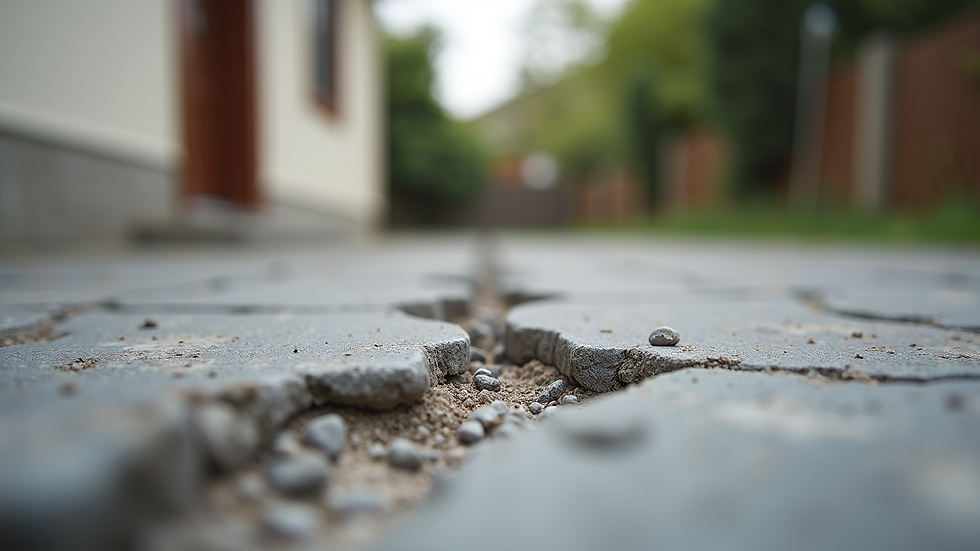
One of the most serious issues you can find is foundation damage. Cracks, shifting, or water intrusion in the foundation can lead to costly repairs. It affects the entire structure and safety of the home. Other major red flags include:
Roof leaks that cause water damage.
Electrical hazards like outdated wiring or overloaded circuits.
Mold growth that can affect health.
Severe plumbing problems such as broken pipes or sewage backups.
If you spot any of these, get a professional opinion. Sometimes, these issues can be fixed, but they often require significant investment. Knowing about them upfront helps you avoid surprises later.

Practical Tips for a Successful Home Inspection
To get the best results, prepare well and stay organized. Here’s how:
Schedule the inspection during daylight to see everything clearly.
Attend the inspection if possible. It’s a great chance to ask questions.
Use a detailed checklist to cover all areas.
Take photos and notes for your records.
Review the inspector’s report carefully.
Follow up on any concerns with specialists if needed.
Remember, a thorough inspection is your best defense against unexpected repairs. It also gives you peace of mind about your investment.
For a detailed and printable home inspection checklist, visit the Vanguard Building Inspections website. This checklist is tailored for Canadian homes and covers everything you need.
Moving Forward with Confidence
After the inspection, you’ll have a clear understanding of the property’s condition. Use this information to negotiate repairs or price adjustments. If the home is in good shape, you can proceed with confidence. If not, you have the facts to make a smart decision.
Remember, a property inspection is not just about finding problems. It’s about knowing what you’re buying and protecting your investment. With this guide, you’re well-equipped to handle the process smoothly.
Taking the time to inspect a home thoroughly is one of the smartest moves you can make. It helps you avoid costly surprises and ensures your new home is safe and sound.
By following this property inspection guide, you’ll be better prepared to make informed decisions. Whether you’re buying or selling, a clear, comprehensive inspection is key to success. Trust the process, ask questions, and use the resources available to you. Your future home deserves nothing less.


Comments