
Ottawa Radon Testing Guide: Radon Testing Essentials for Ottawa Homes
- Brodie McDowell

- Mar 16
- 4 min read
Radon is a silent threat that can affect any home in Ottawa. It is a naturally occurring radioactive gas that you cannot see, smell, or taste. Yet, it poses serious health risks if it accumulates indoors. Testing your home for radon is the first step to protecting your family and your investment. In this guide, I will walk you through everything you need to know about radon testing in Ottawa homes. You will learn why it matters, how to test, and what to expect.
Why Radon Testing Matters in Ottawa: Ottawa Radon Testing Guide
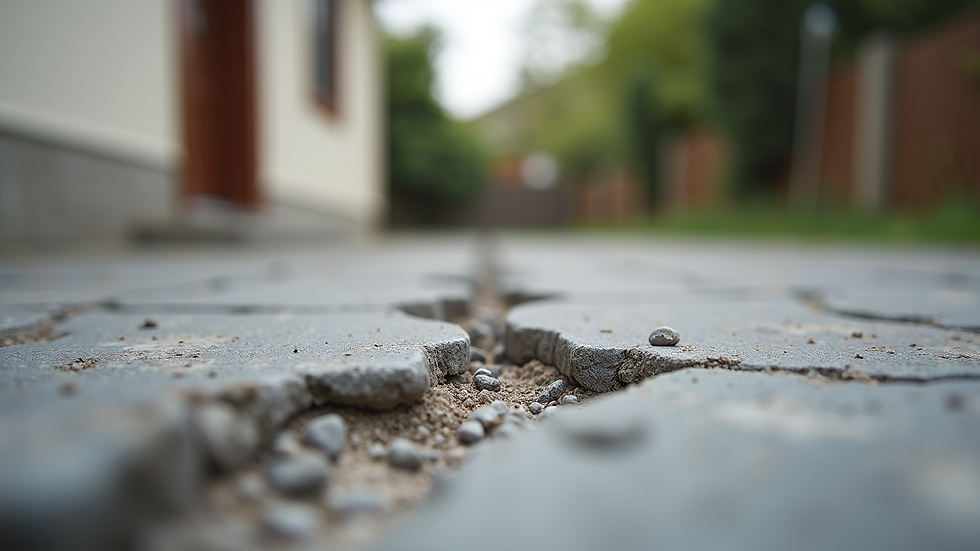
Radon comes from the natural breakdown of uranium in soil and rocks. It seeps into buildings through cracks and openings in the foundation. Ottawa’s geology makes radon a common concern here. Many homes have radon levels above the recommended safety limit set by Health Canada.
High radon levels increase the risk of lung cancer. In fact, radon is the second leading cause of lung cancer after smoking. Testing your home is the only way to know if radon is a problem. Without testing, you are guessing about your family’s safety.
Testing is simple and affordable. It gives you peace of mind and the chance to fix any issues before they become serious. Whether you are buying, selling, or living in your home, radon testing is a smart step.

How to Test Your Ottawa Home for Radon
Testing your home for radon is straightforward. You can do it yourself or hire a professional. Here are the key steps:
Choose the right test: There are short-term and long-term radon tests. Short-term tests last 2 to 7 days and give quick results. Long-term tests last 3 to 12 months and provide a more accurate average radon level.
Place the test correctly: Put the test kit in the lowest lived-in level of your home, such as the basement or main floor. Avoid kitchens, bathrooms, and drafty areas. Place it at least 20 cm off the floor and away from windows or vents.
Follow instructions carefully: Keep the test undisturbed during the testing period. Close windows and doors as much as possible to simulate normal living conditions.
Send the test for analysis: After the test period, seal the kit and send it to the lab specified in the instructions. You will get your results in a few days or weeks.
Interpret the results: Health Canada recommends action if radon levels are 200 becquerels per cubic meter (Bq/m³) or higher. Levels between 100 and 200 Bq/m³ also warrant consideration for mitigation.
If you prefer, you can hire a certified radon measurement professional. They will handle the testing process and provide a detailed report.

How Much Does It Cost to Have a Radon Inspection?
The cost of radon testing in Ottawa varies depending on the method and service provider. Here’s a general idea:
DIY test kits: These typically cost between $30 and $60. They are affordable and easy to use but require you to send the kit to a lab yourself.
Professional radon testing: Hiring a certified inspector usually costs between $150 and $300. This includes test kit placement, retrieval, lab analysis, and a detailed report.
Radon mitigation system installation: If your test results show high radon levels, mitigation can cost between $1,500 and $3,000 depending on your home’s size and foundation type.
Investing in radon testing is a small price to pay for your family’s health and your property’s value. Many buyers and sellers in Ottawa now expect radon testing as part of a home inspection.
What to Do If Your Home Has High Radon Levels
If your radon test shows levels above 200 Bq/m³, don’t panic. There are effective ways to reduce radon in your home:
Install a radon mitigation system: The most common method is a soil suction system that vents radon gas from beneath your home to the outside.
Seal cracks and openings: While sealing alone won’t solve the problem, it helps reduce radon entry.
Improve ventilation: Increasing air circulation can lower radon levels but is usually not enough on its own.
Retest after mitigation: Always test again to confirm that radon levels have dropped to a safe range.
A professional radon mitigation contractor can assess your home and recommend the best solution. Taking action not only protects your health but also adds value to your property.
Staying Safe and Informed About Radon in Ottawa
Radon testing is not a one-time task. It’s wise to test your home every few years or after major renovations. Seasonal changes can affect radon levels, so consider testing during the colder months when homes are closed up.
If you are buying or selling a home in Ottawa, ask about radon testing. It is becoming a standard part of property inspections. Knowing your radon levels helps you make confident decisions.
For reliable testing, consider using services that specialize in radon testing Ottawa. They understand local conditions and provide accurate, trustworthy results.
Taking control of radon in your home is a simple step with big benefits. It protects your health, your family, and your investment.
If you want to learn more or schedule a professional radon test, check out radon testing ottawa for trusted services in your area.


Comments